If you are trying to decide between a townhome and a house in Draper, you are not alone. In a market where prices are high and inventory choices can vary a lot by property type, this decision affects more than your budget. It shapes your monthly costs, your maintenance load, your commute, and how you live day to day. This guide will help you compare both options clearly so you can move forward with confidence. Let’s dive in.
Draper market basics
Draper remains one of the higher-priced areas in the Salt Lake Valley. Recent market data showed a median sale price of $830,000 over the last three months ending in May 2026, while Zillow’s typical home value estimate was $819,793. Homes have also been moving relatively quickly, with Redfin reporting a median of 31 days on market and Zillow showing a median of 12 days to pending.
That backdrop matters when you compare a townhome with a house. In Draper, the choice is usually not just about square footage. It is also about how much land you want, how much upkeep you are comfortable with, and whether HOA costs and rules fit your lifestyle.
Draper is also largely car-oriented. Redfin’s overall Walk Score for the city is 17, so most buyers should expect to drive for many daily errands, even if they choose a home near transit or retail areas.
Townhome prices in Draper
Townhomes usually offer the lower entry point in Draper. Redfin recently showed 50 townhouses for sale in Draper at a median listing price of $490,000, which creates a noticeable gap between attached housing and the broader city price levels.
Recent active examples help show the range. Listed townhomes included options around $375,000, $404,999, $455,000, $529,000, and $589,900, with a larger luxury townhome listed at $835,000. That tells you townhomes can open the door to Draper ownership at a lower price, but there is still a wide spread depending on size, finishes, and location.
If your top goal is keeping your entry cost lower, a townhome may give you more flexibility. That can matter in a market where detached homes often start higher and climb quickly from there.
House prices in Draper
Single-family homes in Draper generally start at a higher price point and rise much further. Recent active examples included houses listed at $625,000, $699,900, $739,900, $899,900, $1.2 million, and $2.4 million.
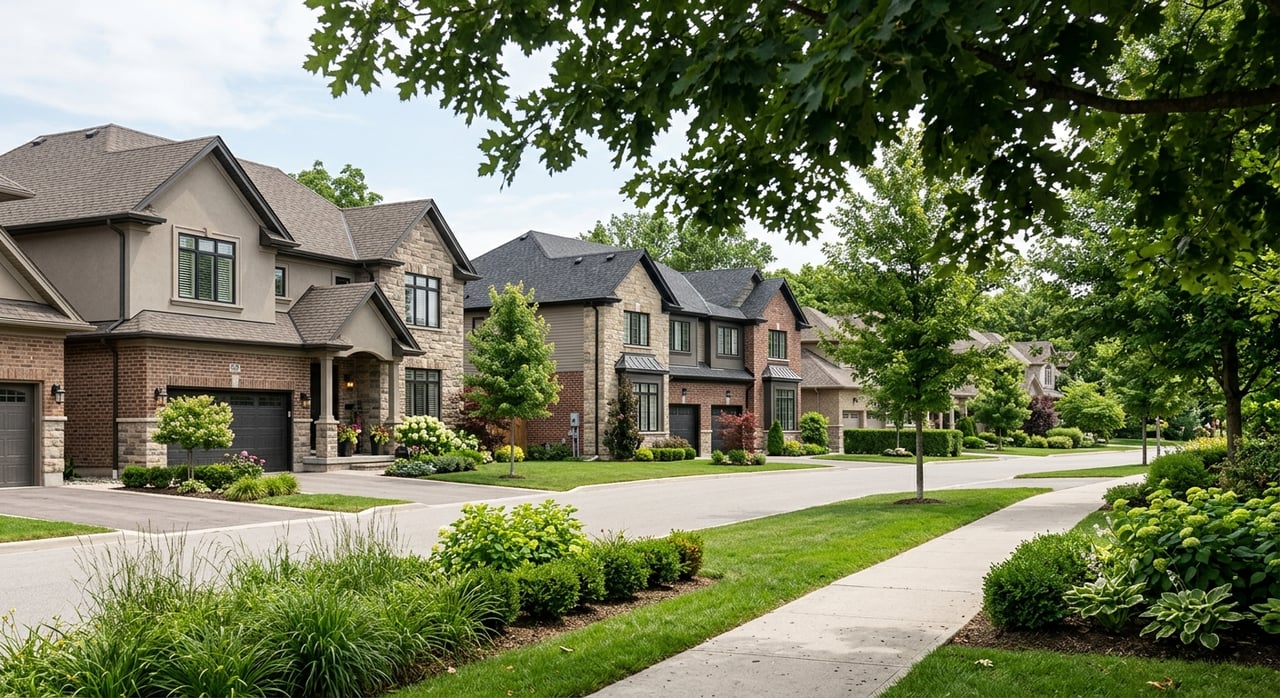
That range reflects one of Draper’s defining traits. Detached homes are still a major part of the city’s housing pattern, and many offer larger lots, more separation from neighbors, and more room for parking or outdoor use.
If you are comparing monthly cost alone, houses usually ask more upfront in Draper. But if you are comparing space, privacy, and long-term flexibility, they often offer advantages that many buyers are willing to pay for.
Lot size and outdoor space
One of the biggest differences between a townhome and a house in Draper is the land that comes with it. Townhome lots are often very small, sometimes measured in hundredths of an acre. Recent examples included lots around 0.01, 0.02, and 0.03 acres, along with one listing on a 1,307-square-foot lot.
In practical terms, that usually means a patio, a small fenced area, or limited private outdoor space. You may still get a two-car garage or finished basement, but the yard footprint is typically modest.
Detached homes usually offer much more land. Recent examples included homes on 0.17-acre, 0.35-acre, 0.44-acre, and 0.54-acre lots. If you want room for gardening, pets, storage, a larger driveway, or future outdoor projects, a house is usually the stronger fit.
Maintenance and daily lifestyle
For many buyers, this decision comes down to how you want to spend your time. A townhome often means less exterior upkeep because many communities include services like snow removal, water, trash, and some exterior maintenance in the HOA dues.
That can be a real advantage if you want a simpler routine. It may also be appealing if you travel often, work long hours, or just do not want to handle as much yard work and exterior maintenance yourself.
A house usually gives you more control, but also more responsibility. Larger yards, more exterior surfaces, and more private property to maintain can mean more weekend work and more direct repair costs over time.
HOA costs and rules matter
Many Draper townhomes come with HOA dues, and that monthly cost should be part of your comparison from day one. Current townhome listings showed HOA dues commonly around $200 to $300 per month. Those dues may include benefits such as snow removal, water, trash, cable, clubhouse access, gym access, pool access, and sometimes insurance or maintenance coverage.
That can be a strong value if those services match your needs. Still, your true monthly payment is not just principal, interest, taxes, and insurance. HOA dues can meaningfully affect affordability.
It is also important not to assume that choosing a house means avoiding an HOA. Recent single-family listings in Draper included homes with HOA fees, including one with a $152 monthly HOA that included amenities such as a club, pool, trail, tennis, and internet.
Before you buy, Utah guidance says you should review the CC&Rs, fee schedules, design guidelines, budget, recent meeting minutes, financial statements, and insurance information. Utah law also requires reserve analyses at least every six years, with updates when needed at least every three years. That matters because underfunded reserves can lead to higher dues or special assessments later.
Commute and convenience in Draper
Your daily routine should play a big role in this choice. Draper has transit access through the UTA TRAX Blue Line to Draper Town Center and FrontRunner service at Draper Station. The city also maintains station-area plans for Draper Town Center, Kimballs Lane, Crescent View, and Draper FrontRunner, which shows continued focus on these areas.
That makes some townhome locations especially practical for buyers who want easier access to transit, I-15, or nearby services. If commute convenience is high on your list, attached housing near these denser corridors may be worth a close look.
By contrast, some larger-lot detached homes trade convenience for space, views, privacy, or a more tucked-away setting. If you are comfortable with a more car-dependent routine, that trade-off may feel well worth it.
Privacy and flexibility
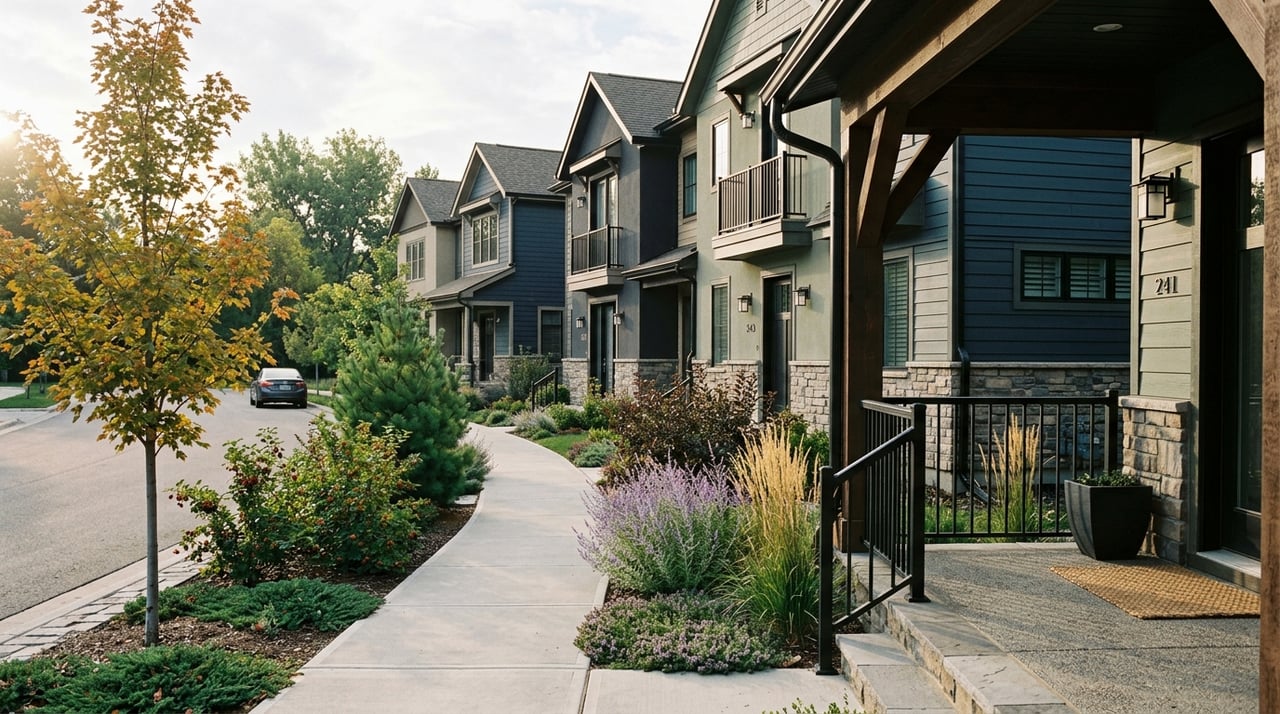
A townhome can be a smart fit if you want lower upkeep and a more accessible price point. Still, attached living often means shared walls, HOA oversight, and less freedom to make exterior changes.
A house usually offers more separation and more options over time. Current Draper detached listings also showed features like RV or trailer parking, large driveways, and larger yards. Those details can matter if you want more storage, more parking, or room to adapt the property to your changing needs.
If flexibility is a top priority, a detached home often gives you more room to grow into the property. If simplicity is the priority, a townhome may feel easier to manage.
Resale factors to think about
Resale potential in Draper is not one-size-fits-all. Detached homes may benefit from scarcity because Draper’s planning framework continues to preserve many low-density, large-lot single-family areas. That can support long-term demand for homes with more land and privacy.
Townhomes may benefit from a different kind of demand. Their lower entry price can make them attractive to a wider range of buyers, especially in a city where overall price levels remain high. Townhomes near station areas or commuter-friendly locations may also appeal to buyers who prioritize convenience and lower maintenance.
In the end, resale depends on more than property type. Location, HOA health, condition, lot utility, and overall presentation all play a role.
How to choose the right fit
If you are deciding between a townhome and a house in Draper, start with the questions that shape your real life, not just your online search filters.
Ask yourself:
- Do you want the lowest possible entry price?
- Do you need a larger yard or more parking?
- How much exterior maintenance do you want to handle?
- Are HOA dues and rules a fair trade for convenience?
- Does commute access matter more than lot size?
- Are you buying for simplicity now, or flexibility later?
In Draper, townhomes usually win on accessibility and lower upkeep. Houses usually win on land, privacy, and long-term control. Neither is automatically better. The right choice depends on how you want to live and what trade-offs feel worthwhile to you.
When you want a clear strategy, strong local guidance, and a more polished buying experience, Heather Houston can help you compare options, weigh monthly costs, and choose the Draper property that fits your goals.
FAQs
Should you buy a townhome or house in Draper if budget is your top concern?
- In Draper, townhomes usually offer the lower entry price, with recent listings ranging from about $375,000 to the upper $500,000s for many options, while detached homes generally start higher.
What should you know about HOA fees when buying in Draper?
- Many Draper townhomes have HOA dues around $200 to $300 per month, and some single-family homes also have HOA fees, so you should review dues, rules, budgets, reserve information, and meeting minutes before closing.
How does outdoor space compare between Draper townhomes and houses?
- Townhomes often have very small lots with limited private outdoor space, while detached homes usually offer larger yards and more room for parking, storage, or outdoor use.
Is a townhome in Draper easier to maintain than a house?
- Often yes, because many townhome HOAs cover items like snow removal, trash, water, and some maintenance, while a house usually leaves more upkeep directly to the owner.
How does commute location affect your choice in Draper?
- If you want easier access to transit or I-15, homes near Draper Town Center or Draper Station may be especially practical, while larger-lot homes may offer more space but often come with a more car-dependent routine.
What tends to help resale more in Draper, a townhome or a house?
- Both can resell well for different reasons, with detached homes often benefiting from land and scarcity, and townhomes often benefiting from lower price points, lower-maintenance appeal, and commuter-friendly locations.