Wondering whether South Jordan feels more like one city or several different lifestyle pockets? That is a smart question to ask before you buy or sell here, because South Jordan is not a one-note market. If you understand how the city’s major neighborhood patterns differ, you can narrow your search, price a home more strategically, and choose an area that fits your day-to-day life. Let’s dive in.
South Jordan at a Glance
South Jordan is a growing city with a newer housing base and a mix of neighborhood styles. City quick facts list a population of 89,114, a median household income of $134,047, and a median home value of $650,500. The city also reports that about 40% of its land is single-family residential.
The housing mix helps explain why South Jordan appeals to so many types of buyers. About 71% of housing units are single-family detached, about 16% are townhomes, and the median home was built in 2006. In practical terms, that means you will find a lot of newer suburban housing here, but not all of it feels the same from one area to the next.
The Two Main South Jordan Patterns
If you want a simple way to understand South Jordan, start here: the west side is shaped by Daybreak, while the east and central areas feel more established and traditional. The city’s general plan describes roughly one-third of South Jordan, about 4,201 acres, as Planned Community zoning on the west side that is home to Daybreak.
That split matters because buyers are often choosing between two very different experiences. On one side, you have a newer, amenity-rich, HOA-managed environment. On the other, you have larger lots, older homes, and a quieter suburban pattern that is less tied to one master plan.
Daybreak: South Jordan’s Master-Planned Hub
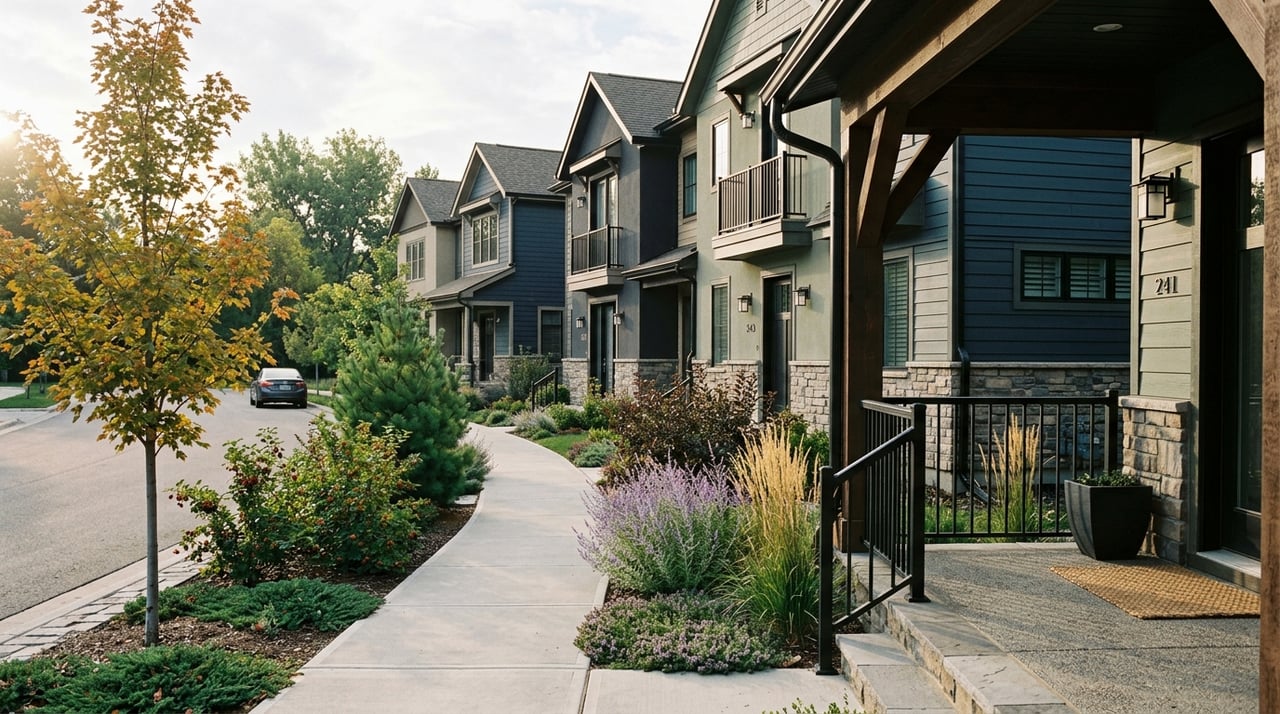
Daybreak is the best-known neighborhood name in South Jordan, but it is more accurate to think of it as a large community made up of smaller villages and districts. City and community sources describe it as roughly a 4,100 to 4,200-acre master-planned community with single-family homes, condos, townhomes, apartments, retirement housing, Oquirrh Lake, and Soda Row.
For buyers, that means Daybreak is not just one look or one price point. It offers a range of housing types and neighborhood settings, which is part of why it attracts first-time buyers, move-up buyers, relocation clients, and downsizers alike.
What Daily Life in Daybreak Feels Like
Daybreak is designed around amenities and internal connectivity. The community highlights a 67-acre lake, non-motorized boating, lakeside paths, five neighborhood pools plus the community-center pool, and more than 40 miles of trails. The Daybreak Community Center also includes fitness space, a gymnasium, and an indoor track.
That setup can change how you use the neighborhood. Depending on where you live, you may spend more of your free time walking trails, using shared amenities, or staying close to community gathering spots rather than driving across town for recreation.
How Daybreak Is Organized
One reason Daybreak feels different from a typical subdivision is that it is organized into villages and districts. The Lower Villages center on Oquirrh Lake, while the Upper Villages focus on the Watercourse and The Loop trail system.
A few examples help paint the picture:
- Lake Village and The Island lean into lakefront living
- Springhouse is the newest 55+ village
- South Station connects closely to light rail and nearby services
- Watermark and Cascade are newer home areas near water and trails
If you are considering Daybreak, it helps to compare village by village rather than treating the whole area as one neighborhood.
Daybreak Transit and Access
Transit is one of Daybreak’s strongest differentiators within South Jordan. The South Jordan Downtown TRAX Station opened in March 2025, giving the city a third TRAX Red Line station and improving access to Ballpark at America First Square and the new urban center.
For some buyers, that added transit access is a major quality-of-life factor. Community and transit sources also note that Daybreak offers access to downtown Salt Lake and Silicon Slopes through TRAX, Mountain View Corridor, and related transportation routes.
Downtown Daybreak: The Urban Side of South Jordan
Downtown Daybreak deserves its own mention because it adds a more urban layer to South Jordan’s west side. Along with Soda Row, it is one of the city’s notable shopping and dining nodes, and it is tied closely to newer transit investment and mixed-use growth.
If you want a more walkable, service-oriented setting within South Jordan, this area may stand out. It offers a different rhythm than a quiet cul-de-sac or a large-lot subdivision, especially for buyers who like having retail, dining, and transit closer to home.
East South Jordan: Larger Lots and Established Homes
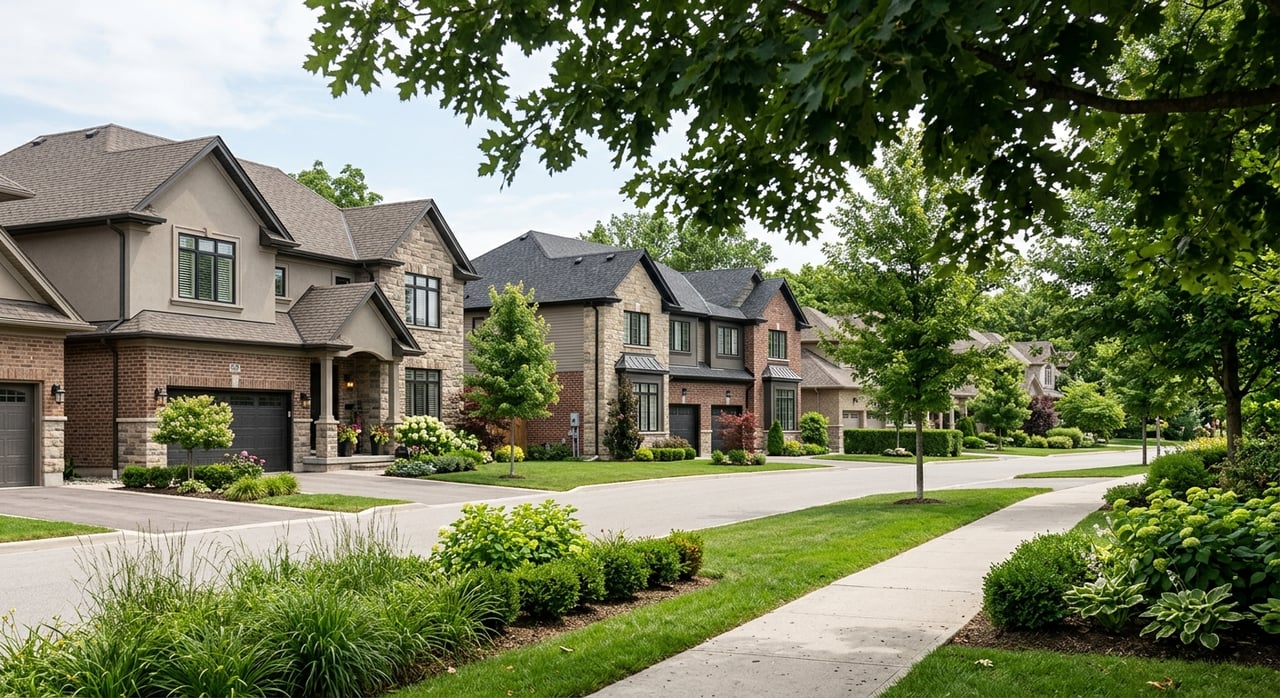
On the east side, South Jordan planning materials describe a different environment altogether. This part of the city is characterized by large-lot, quiet neighborhoods and historic homes.
For buyers, that often means more established subdivisions, bigger yards, and less of a master-planned feel. If your priority is space, a more traditional suburban setting, or housing that feels less uniform, east South Jordan may be the better fit.
What Buyers Notice First
East South Jordan usually appeals to buyers who care more about lot size and established surroundings than packaged amenities. The neighborhood pattern is simpler and more traditional, which can be a plus if you prefer a home-centered lifestyle over a community-centered one.
It can also feel more flexible in day-to-day living. Instead of relying on one neighborhood’s amenity system, you are often using the city’s broader network of parks, shopping, and recreation.
Central South Jordan: Convenience and Everyday Access
Central South Jordan sits in a practical middle ground. It is less defined by one signature neighborhood identity and more by access to major shopping, dining, recreation, and city services.
The city points to Towne Center Square, The District, Oquirrh Mountain Marketplace, RiverPark, Soda Row, Trail Crossing, and Downtown Daybreak as major retail and dining nodes. It also highlights the South Jordan Community Center, Glenmoor Golf Course, and Bingham Creek Regional Park as important recreation anchors.
Why Central Areas Matter
For many buyers and sellers, central South Jordan is about daily efficiency. You may not be buying into one large amenity package, but you are gaining easy access to errands, recreation, and key travel corridors.
That convenience can be especially appealing if you want a traditional suburban layout without feeling far from services. It also gives central South Jordan a steady, practical appeal in the broader market.
Parks, Trails, and Open Space Across the City
No matter which part of South Jordan you focus on, parks and open space are a meaningful part of the local lifestyle. The city says it has more than 35 city parks, 2 county parks, more than 9 miles of trails, 3 fishing ponds, and over 250 acres of natural open space, much of it along the Jordan River corridor.
The Mystic Springs Wetland Educational Area is also under development and is planned to include ADA trails, footpaths, and lookout points. For buyers comparing neighborhoods, this citywide park system helps balance the differences between amenity-heavy and more traditional areas.
West-Side Growth Beyond Daybreak
The west side of South Jordan is not only about Daybreak. City planning work also focuses on the Redwood Road Corridor and Jordan River Gateway, where South Jordan expects redevelopment and densification as part of a major transportation and economic center.
That matters if you are thinking long term. It suggests the west side will continue evolving, with a broader mix of housing, transit, and commercial activity rather than staying purely low-density.
Redwood Road Transit and Change
Route 219 now serves the Redwood Road corridor, adding another transit option outside Daybreak. While this area does not mirror Daybreak’s master-planned structure, it does reflect the city’s broader growth strategy.
For buyers, this can translate into more varied housing choices over time. For sellers, it reinforces that South Jordan’s west side is still changing and should be evaluated with both current use and future trajectory in mind.
How to Compare South Jordan Neighborhoods
When you tour South Jordan, it helps to compare neighborhoods based on how you actually live, not just by square footage or price. The most useful variables are HOA intensity, home age, lot size, walkability, transit access, and how much of your routine can happen within the neighborhood itself.
Here is a simple way to think about it:
| Area | Best known for | Typical feel | Key tradeoff |
|---|---|---|---|
| Daybreak | Amenities, trails, mixed housing, planned design | Newer, connected, community-oriented | More HOA structure and a more managed environment |
| Downtown Daybreak | Transit, mixed-use growth, walkability | More urban and service-oriented | Less of a traditional subdivision feel |
| East South Jordan | Larger lots, historic homes, quieter streets | Established and traditional | Fewer built-in neighborhood amenities |
| Central South Jordan | Shopping, recreation, practical access | Convenient and suburban | Less of a single standout neighborhood identity |
What This Means for Buyers and Sellers
If you are buying in South Jordan, your best match may come down to lifestyle more than labels. Some buyers want trails, pools, and transit close by. Others want yard space, established streets, and a more classic suburban layout.
If you are selling, understanding your neighborhood’s position within South Jordan matters just as much. A home in Daybreak should be framed differently from a home in east South Jordan or near one of the city’s major retail and recreation hubs. The strongest strategy starts with knowing what buyers are really comparing.
South Jordan is a layered market, and that is part of its appeal. When you look past the city name and focus on neighborhood pattern, access, and daily rhythm, the picture becomes much clearer.
If you want help comparing South Jordan neighborhoods or positioning your home for the right buyers, connect with Heather Houston. Her approach blends local market insight, thoughtful strategy, and personalized guidance to help you move with confidence.
FAQs
What are the main neighborhood types in South Jordan?
- South Jordan is commonly understood as two main patterns: Daybreak on the west side and more established east and central neighborhoods with larger lots, older homes, and a more traditional suburban feel.
What makes Daybreak different from other South Jordan neighborhoods?
- Daybreak is a large master-planned community with villages and districts, a 67-acre lake, pools, trails, community amenities, mixed housing types, and strong transit access.
What is east South Jordan known for?
- East South Jordan is known for large-lot, quiet neighborhoods and historic homes, which often appeal to buyers looking for more space and a less master-planned environment.
Is South Jordan a good fit if you want parks and trails?
- South Jordan offers broad access to parks and open space, including more than 35 city parks, 2 county parks, more than 9 miles of trails, 3 fishing ponds, and over 250 acres of natural open space.
How should you compare neighborhoods in South Jordan?
- A practical comparison should focus on HOA structure, home age, lot size, walkability, transit access, and whether your daily routine depends more on neighborhood amenities or driving to citywide shopping and recreation areas.