Thinking about a move to Kaysville? It can look simple on a map, but your day-to-day experience here depends on more than just finding a house you like. If you are relocating, you need a clear picture of commute patterns, housing options, pricing, and how the city actually feels once you are on the ground. This guide will help you sort through the practical details so you can make a confident move. Let’s dive in.
Why Kaysville draws relocation buyers
Kaysville is a city in Davis County with 32,945 residents and 9,118 households. It sits about 20 miles north of Salt Lake City and roughly midway between Salt Lake City and Ogden, with direct access to I-15, US-89, and 200 North. That location makes it appealing if you want regional access without living in the middle of a larger urban core.
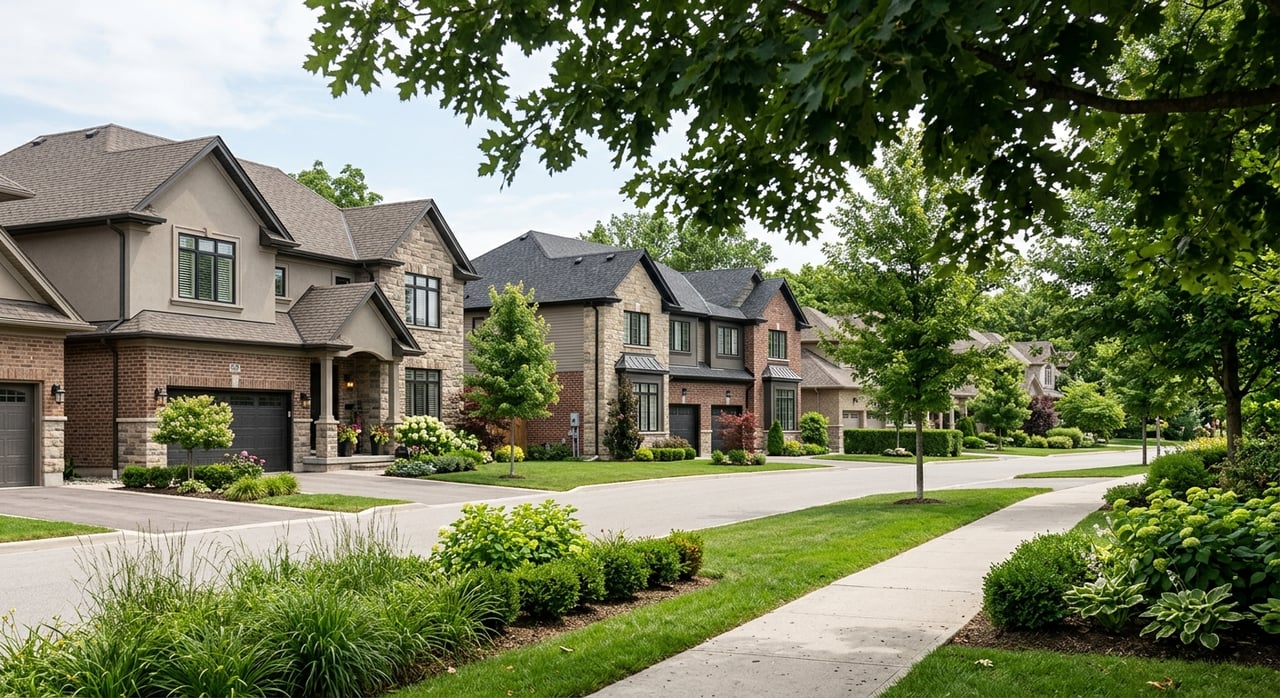
The city describes itself as a blend of rural farmland and subdivision living, with a historic Main Street area and mountain-and-lake surroundings. In practical terms, that means Kaysville offers a suburban feel with a mix of established neighborhoods and newer development. It is not a place defined by endless new construction, so understanding the layout of the city matters.
What daily life in Kaysville looks like
Kaysville has a strong owner-occupied profile, with 88.7% of homes owner-occupied. The median household income is $133,026, and the mean travel time to work is 22.2 minutes. Those numbers support the picture of Kaysville as a stable, primarily residential community where many buyers are planning for long-term living.
The city also has a solid local amenities base. Kaysville lists 12 parks, along with one high school, three junior highs, nine elementary schools, and four charter or vocational schools. If you are relocating, this gives you a sense of the city’s built-in infrastructure without needing to leave town for every daily need.
Outdoor access is a real advantage
One of Kaysville’s strongest lifestyle features is its park and trail access. The city highlights spaces like Barnes Memorial Park, Heritage Park, Angel Street Soccer Complex, and Wilderness Park for hiking and mountain biking. There are also multiple trail connections across the community.
The USU Botanical Center adds another layer to outdoor living. It offers free public access to gardens, ponds, and trails from sunrise to sunset, with opportunities for walking, biking, fishing, and wildlife viewing. If outdoor time is part of how you want to live, Kaysville gives you meaningful options close to home.
Understand the commute before you buy
Kaysville is a road-first market, and that is one of the most important things to know before you relocate. I-15 and US-89 are the city’s two major traffic arteries, and 200 North serves as the key east-west connector. Since I-15 bisects the city, your location within Kaysville can affect the feel of your commute more than you might expect.
That matters because two homes with similar price points can offer very different daily routines. A few minutes of extra access time to I-15, US-89, or 200 North may not seem like much during a showing, but it can feel very different during peak traffic. If your work or lifestyle involves regular regional travel, this should be part of your home search strategy.
Rail access is nearby, but not central
If you use commuter rail, FrontRunner is the main option for the northern Wasatch Front. The line runs from Ogden to Provo on an 83-mile corridor with 15 stations, and UTA reports 30-minute weekday peak service. Most stations also include park-and-ride access.
Kaysville does not have its own FrontRunner station, but nearby Davis County stations in Layton and Farmington can still be useful depending on where you live and work. For many relocation buyers, that means rail can be part of the transportation mix, but it usually will not replace the importance of a good driving route.
Kaysville housing is not one-size-fits-all
Kaysville is mostly a low-density residential city with agriculture and open land still part of its identity. At the same time, city planning materials say Kaysville is nearly built out. That is important because it shifts your search away from expecting large amounts of untouched new inventory across the whole city.
Instead, you are more likely to compare neighborhood age, lot size, home condition, and renovation potential. Kaysville tends to function as a detached-home market with clear differences between older and newer areas. That can be a benefit if you want choices in style and setting, but it also means your priorities need to be well defined.
East-side and west-side patterns matter
Kaysville’s planning documents show that the eastern part of the city includes development from the earliest settlement period, roughly 1849 to 1939. Development then expanded east and south through the 1980s. In the 1990s, residential growth moved westward, and homebuilding has continued along the western border.
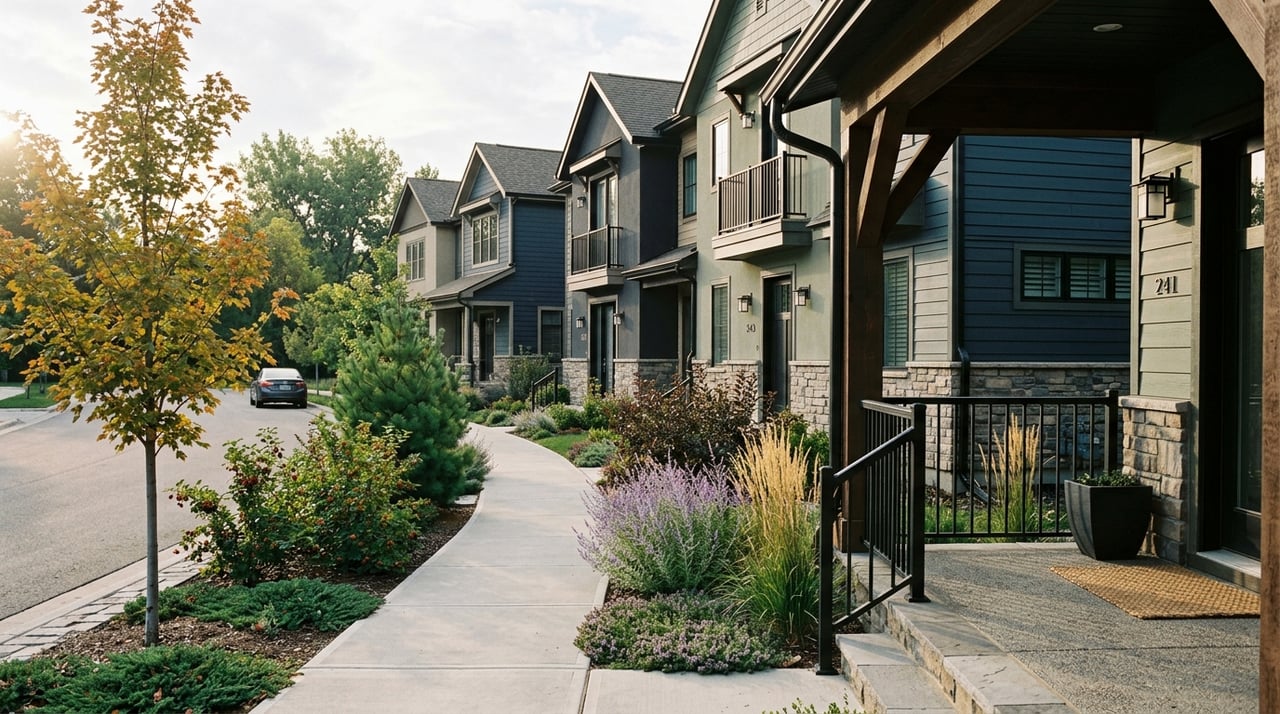
For you as a buyer, this creates a practical framework. Older east-side areas may offer more established surroundings and homes from earlier development periods, while newer west-side areas may reflect more recent building trends. Neither is automatically better. The right fit depends on whether you value newer finishes, older character, lot configuration, or proximity to your most-used routes.
Growth is focused, not citywide
Another helpful detail from the city’s general plan is that most established residential neighborhoods are expected to remain stable. The most significant future growth and redevelopment is expected in the City Center. That means you should not assume every part of Kaysville will change at the same pace.
For relocation buyers, this can be reassuring. It suggests that much of the city’s residential pattern is already established, which can make it easier to evaluate a neighborhood for what it is today rather than guessing about major change everywhere. It also means that if you want to be closer to areas where redevelopment may occur, City Center should be on your radar.
What home prices tell you
Kaysville is generally a higher-priced Davis County suburb. Census QuickFacts lists the median owner-occupied home value at $623,700. Recent market snapshots also show pricing above some nearby comparison points.
Redfin reported a May 2026 median sale price of $624,626 in Kaysville. Realtor.com showed a median listing price of $750,000 in May 2026. By comparison, Salt Lake County pricing in the same research set came in lower, with a $549,000 median sale price on Redfin and a $555,000 median listing price on Realtor.com.
That does not mean Kaysville is overpriced. It means you should think carefully about the value equation. For many relocation buyers, the real question is whether Kaysville’s location, outdoor access, suburban layout, and housing style line up with what you want enough to justify the price difference.
Is Kaysville competitive right now?
The short answer is yes, but with nuance. Redfin described Kaysville as very competitive in May 2026, with about 30 days on market, a 98.9% sale-to-list ratio, and 32.4% of homes selling above list price. That points to strong demand for well-positioned homes.
At the same time, Realtor.com showed 119 homes for sale, a median 34 days on market, average sales about 3.01% below asking, and labeled it a buyer’s market. Read together, these signals suggest that attractive, well-priced homes can still move quickly, but buyers may have more room to negotiate than they would in a more intense seller-driven market.
How to shop smart in Kaysville
When you relocate to a market like Kaysville, clarity beats speed. You do not want to write offers based only on online photos or broad assumptions about the city. You want to compare micro-locations, home age, and commute convenience in a structured way.
A smart search often starts with a few key questions:
- How often will you use I-15, US-89, or 200 North?
- Do you prefer an older home with renovation potential or a newer home on the west side?
- How important are trail access, parks, and outdoor amenities to your daily routine?
- Are you comfortable paying a premium for Kaysville versus other Wasatch Front options?
- Do you want to be near the historic core, established neighborhoods, or newer growth areas?
These questions help narrow your search before inventory starts moving fast. They also keep you focused on fit, not just finishes.
Plan a scouting trip with purpose
If you can visit before buying, make the trip count. A relocation tour should do more than check boxes. It should help you understand how Kaysville functions at real-life speed.
A practical scouting trip should include:
- A peak-hour drive on I-15, US-89, and 200 North
- A walk through the Main Street and Center Street area to get a feel for the historic core
- Time at Barnes Memorial Park and the USU Botanical Center
- A side-by-side visit to an older east-side home and a newer west-side home
- A review of current UDOT roadwork updates before and after your trip
That last step matters because the West Davis Highway project could affect future traffic patterns. UDOT says the SR-177 extension is anticipated to begin construction in Summer 2026. If you are comparing west-side locations or thinking about long-term commute patterns, that is worth watching.
The bottom line on relocating to Kaysville
Kaysville offers a specific kind of Wasatch Front lifestyle. It combines suburban residential living, a strong park system, useful regional highway access, and a housing market with clear differences between older and newer parts of town. It is also a market where pricing, neighborhood age, and commute setup should all be weighed together.
If you are relocating, the best move is to shop with a plan. When you understand how Kaysville is laid out and what each area offers, you can make a decision that fits both your budget and your daily life. If you want a strategic, personalized approach to your Kaysville home search, connect with Heather Houston for expert guidance across the Wasatch Front.
FAQs
What is Kaysville, Utah like for relocation buyers?
- Kaysville is a primarily suburban Davis County city with a mix of rural farmland, established neighborhoods, newer development, a historic Main Street core, and strong access to parks, trails, I-15, and US-89.
What is the housing market like in Kaysville, Utah?
- Recent research shows an active market with median sale pricing around $624,626, about 30 to 34 days on market, and signs that well-priced homes can move quickly even while some buyers may still have room to negotiate.
Are there newer and older homes in Kaysville, Utah?
- Yes. City planning documents show older housing patterns on the east side and newer development concentrated toward the western border, so buyers often compare home age, lot size, and renovation potential.
How do most people commute from Kaysville, Utah?
- Kaysville is mainly a highway-based commute city, with I-15 and US-89 as the main north-south routes and 200 North as an important east-west connector.
Does Kaysville, Utah have train access for commuters?
- Kaysville does not have its own FrontRunner station, but nearby stations in Layton and Farmington can be useful for some commuters who want rail access within the region.
What should you do on a Kaysville, Utah scouting trip?
- A useful scouting trip should include driving the main commute routes during peak hours, visiting the Main Street area, spending time in key parks and outdoor spaces, and comparing older east-side homes with newer west-side homes.