Looking for a neighborhood that makes daily life easier without giving up access to the outdoors? Living near Station Park in Farmington can appeal to buyers who want shopping, transit, freeway access, and recreation all within reach. If you are considering a move here, this guide will help you understand what the area feels like, how it functions, and what to keep in mind as the district continues to grow. Let’s dive in.
Why Station Park Stands Out
Station Park sits in one of Farmington’s most important growth areas. City planning documents describe it as a mixed-use, retail-focused development centered around the UTA FrontRunner stop, with shops, public gathering space, and pedestrian-friendly circulation.
That matters because this is not just a shopping area. It is part of a broader district where housing, retail, and office space have already been planned in sections of west Farmington. If you want a location that blends convenience with a more connected daily routine, this part of the city stands out.
How Farmington Fits the Bigger Picture
Farmington is the seat of Davis County and sits about 16 miles north of Salt Lake City. The city highlights its ability to connect residents to work, shopping, entertainment, mountains, canyons, trails, and wetlands within roughly a half-hour commute while still maintaining a small-town feel.
That wider context is important when you evaluate Station Park. The district gives you one of Farmington’s most active, accessible hubs, but it is still part of a larger suburban city known for owner-occupied housing, outdoor access, and a stable residential feel.
Housing Near Station Park
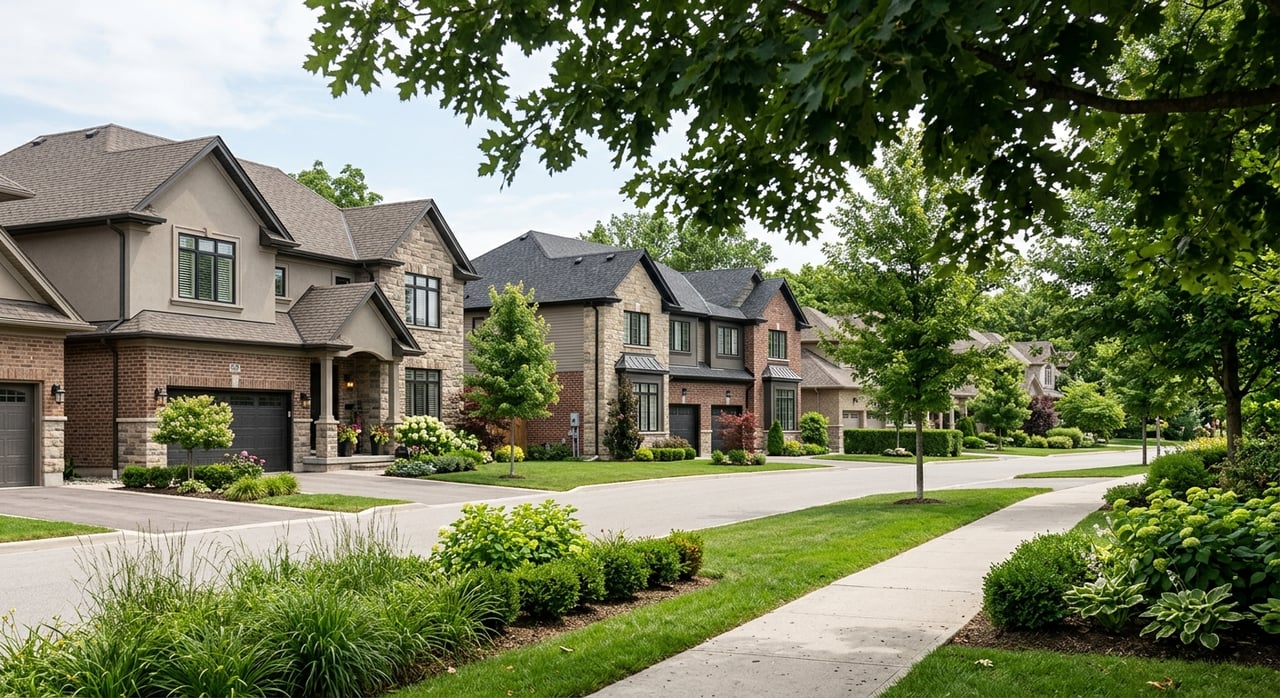
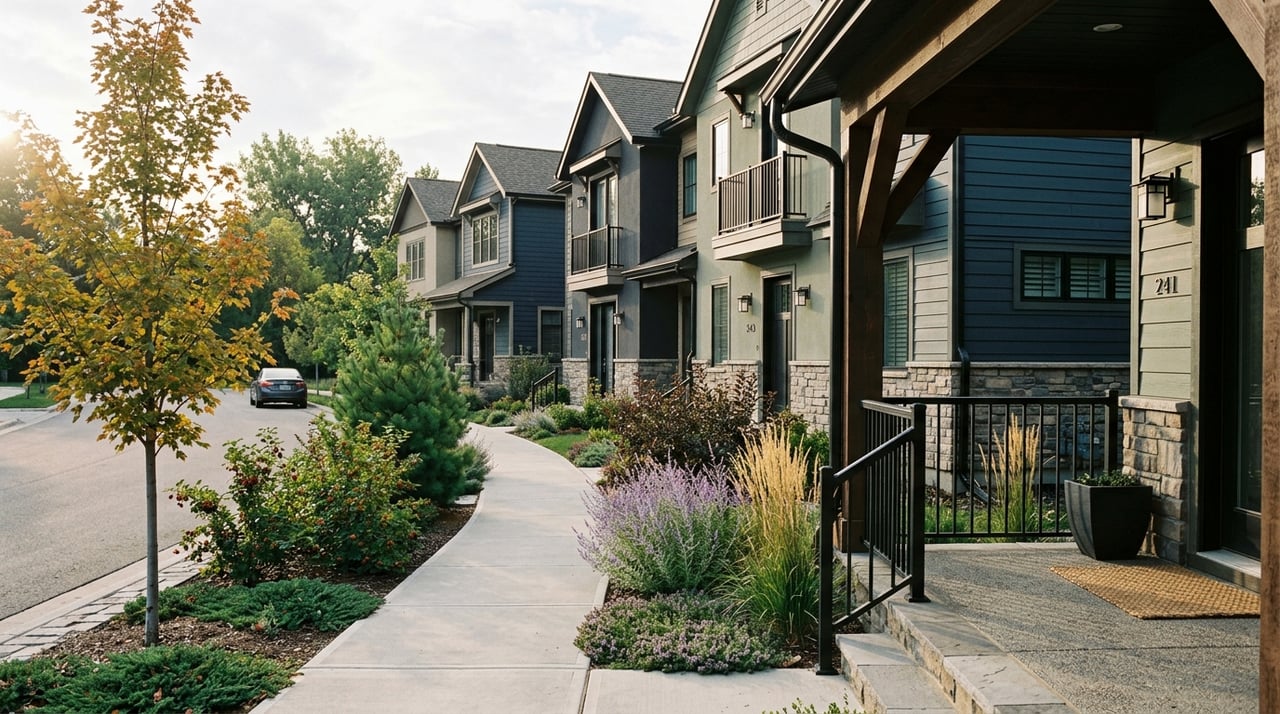
If you picture the Station Park area as only one type of housing, you may miss the full story. Planning documents suggest the area near the station should be understood as a mix of existing single-family neighborhoods along with newer attached housing and multifamily options closer to the transit core.
That creates flexibility for different buyers. You may find appeal here if you want lower-maintenance living near shops and transit, or if you prefer a more traditional neighborhood feel while staying close to the district’s conveniences.
Farmington overall is a homeowner-heavy market. Census estimates show a population of 26,266, an owner-occupied housing rate of 81.0%, a median owner-occupied home value of $650,700, and a median gross rent of $1,769.
Those numbers help frame the city’s character. Compared with Utah overall, Farmington appears to be a higher-value suburban market with a strong ownership base, which can be useful context if you are comparing Davis County communities.
What the Neighborhood Feels Like
The strongest lifestyle story near Station Park is balance. You get a more active mixed-use core with shopping, transit, and pedestrian access, but you are also in a city where trails, canyon access, parks, and wetlands are part of everyday life.
In practical terms, the most walkable environment is concentrated in and around the station area itself. The broader city is more suburban in character, so your experience can vary depending on how close you live to the mixed-use core.
That distinction matters when you tour homes. If walkability is high on your list, pay close attention to how directly a property connects to Station Park, the FrontRunner station, and nearby paths rather than assuming the entire city functions the same way.
Transit and Commuting Access
For many buyers, location is really about how smoothly a home fits into the week. Farmington Station is a UTA FrontRunner station at 450 N. 850 W., and UTA says the line runs between Ogden and Provo with 15 stations, Monday through Saturday service, 30-minute weekday peak service, 60-minute off-peak and Saturday service, free parking, and connections to other UTA services.
That gives you a strong regional option if you commute along the Wasatch Front or simply want more flexibility in how you get around. It can also be a meaningful advantage for households trying to reduce drive time stress on certain days.
Driving access is another major part of the appeal. City planning materials describe the North Farmington Station area as sitting at the apex of I-15 and Highway 89, which supports quick connections north and south as well as across nearby communities.
Walkability in Real Terms
Walkability means different things in different cities. Near Station Park, it generally means easier access to shops, services, public space, and transit within the mixed-use district rather than a fully urban experience across all of Farmington.
City planning language around the Transit Mixed-Use district emphasizes walkability and the ability for residents, workers, and visitors to move between transit and nearby destinations on foot. That makes the immediate area especially appealing if you value being able to run errands or meet up without always getting in the car.
Farmington’s station-area plan also calls for pedestrian, bicycle, and shuttle improvements. For buyers thinking long term, that is worth noting because the area is designed to keep evolving around mobility and access.
Parks, Trails, and Outdoor Access
One of the biggest advantages of living near Station Park is that convenience does not come at the expense of nature. Farmington says trails and open space areas are less than ten minutes away, and the city highlights Farmington Canyon as a place for hiking, jogging, bicycling, snowmobiling, picnicking, horseback riding, fishing, and camping.
That kind of access shapes daily life. It means your weekends can be active without requiring a long drive, and even quick after-work outings can feel realistic.
Closer to the Station Park side of town, Farmington points to several nearby recreation options:
- North Cottonwood Commons with walking paths and a wetlands boardwalk
- Regional Park with a walking trail
- Farmington Pond with a hiking trail and fishing dock
- The Farm, a city bike park on the East Bench with difficulty-rated downhill trails
If you enjoy bird-watching or wetland access, the Eccles Wildlife Education Center in Farmington Bay adds another layer to the area’s lifestyle appeal. The Utah Division of Wildlife Resources says the center is free to the public and includes a nature trail loop and access for nature walks and bird-watching in the Great Salt Lake wetlands.
Beginning May 7, 2025, adults need a valid Utah hunting, fishing, or combination license to access wildlife and waterfowl management areas in Davis County, including nearby Farmington Bay WMA. If those outdoor spaces are important to you, it is smart to understand that access rule as part of your planning.
Growth and Change to Expect
Buyers often want to know whether an area is established or still changing. Near Station Park, the answer is both.
The core district is already a major destination, but Farmington City says a few hundred acres north of Station Park and west of I-15 are being planned through a sub-area master plan. That means the broader area is not finished, and you should expect continued build-out, additional commercial space, and long-term land-use changes over time.
For some buyers, that is a plus. Growth can bring more services, more housing choices, and stronger long-term convenience. For others, it is a reminder to ask practical questions about nearby construction, future road patterns, and how the area around a property may look several years from now.
Who This Area May Suit Best
Living near Station Park can make sense for several types of buyers, especially if you value function as much as style. The area may be a strong fit if you are looking for:
- Access to FrontRunner and regional commuting routes
- Proximity to shopping, dining, and day-to-day conveniences
- A blend of suburban living and a more connected mixed-use district
- Nearby parks, trails, wetlands, and mountain access
- A location with ongoing growth and future development potential
It may be especially appealing if you are relocating to Davis County and want a neighborhood that helps you get oriented quickly. Having transit, retail, freeway access, and recreation nearby can make the adjustment feel smoother.
Smart Questions to Ask Before You Buy
A polished home search is about more than liking a floor plan. In an area like Station Park, it helps to think strategically about both current lifestyle and future change.
As you evaluate homes, consider questions like these:
- How close do you want to be to the Station Park core?
- Do you prefer attached housing, multifamily living, or a detached home nearby?
- How important is FrontRunner access to your routine?
- Would you benefit more from walkability or from a quieter pocket farther from the center?
- How do nearby parks, trails, and outdoor features factor into your weekly life?
- Are you comfortable buying in an area with continued development activity?
These questions can help you narrow options faster and make a decision that fits both your current needs and long-term goals.
If you are thinking about buying or selling near Station Park, working with a local agent who can help you weigh location, housing type, future growth, and resale potential can make the process much clearer. When you are ready for a more strategic conversation about Farmington and the broader Wasatch Front, connect with Heather Houston.
FAQs
What is Station Park in Farmington, Utah?
- Station Park is a mixed-use, retail-focused district in Farmington’s North Station growth area, built around the UTA FrontRunner stop with shopping, public gathering space, and pedestrian-oriented design.
What types of homes are near Station Park in Farmington?
- The area near Station Park appears to include a mix of existing single-family neighborhoods and newer attached housing and multifamily options closer to the station core, based on city planning documents.
Is the Station Park area walkable in Farmington?
- The strongest walkability is in and immediately around the Station Park mixed-use core, where planning has focused on pedestrian access to shops, transit, and nearby destinations.
How is commuting from Station Park in Farmington?
- Commuting can be convenient because the area offers access to UTA FrontRunner service and sits near both I-15 and Highway 89.
What outdoor amenities are near Station Park in Farmington?
- Nearby amenities include North Cottonwood Commons, Regional Park, Farmington Pond, The Farm bike park, Farmington Canyon, and wetland access through the Eccles Wildlife Education Center.
Is the area around Station Park still developing?
- Yes. Farmington City says additional acreage north of Station Park and west of I-15 is being planned, so the broader district is expected to keep evolving over time.