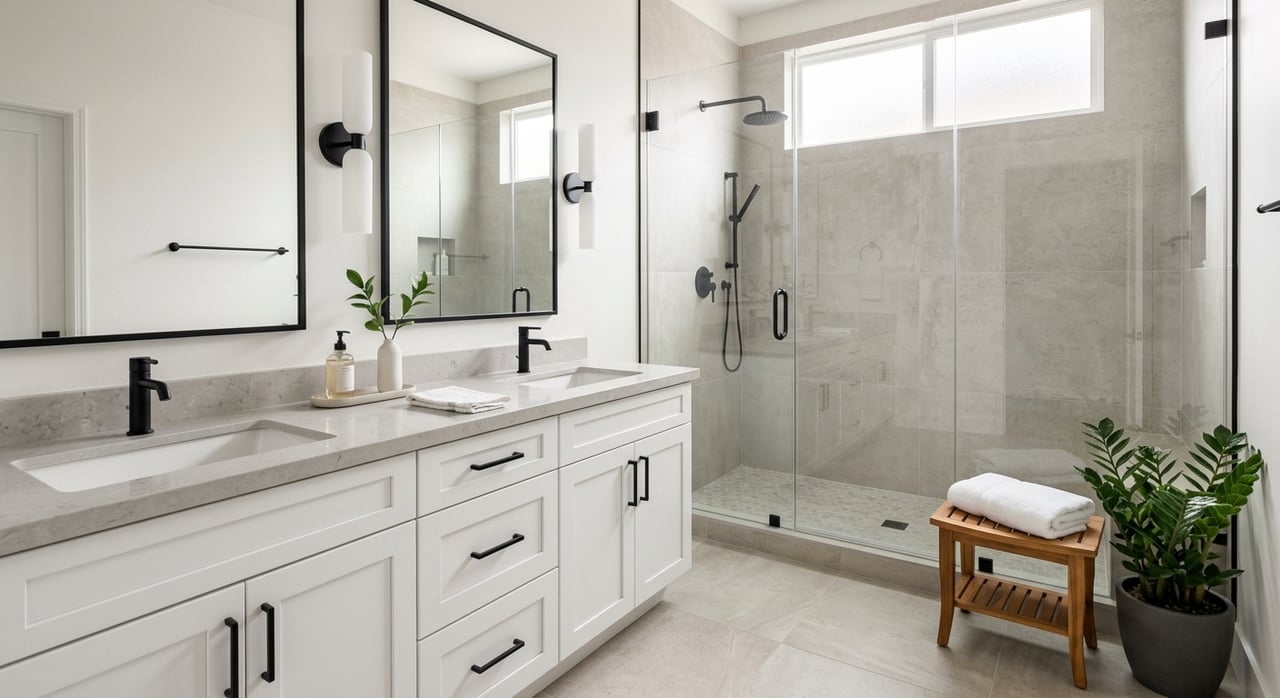
Thinking about selling your West Jordan home and wondering what actually moves the needle? In a market where buyers have options and monthly payments still feel stretched, the homes that stand out tend to be the ones that are priced with discipline and prepared with purpose. If you want to protect your net proceeds and avoid costly missteps, a strategic plan matters before your home ever hits the market. Let’s dive in.
Why strategic prep matters in West Jordan
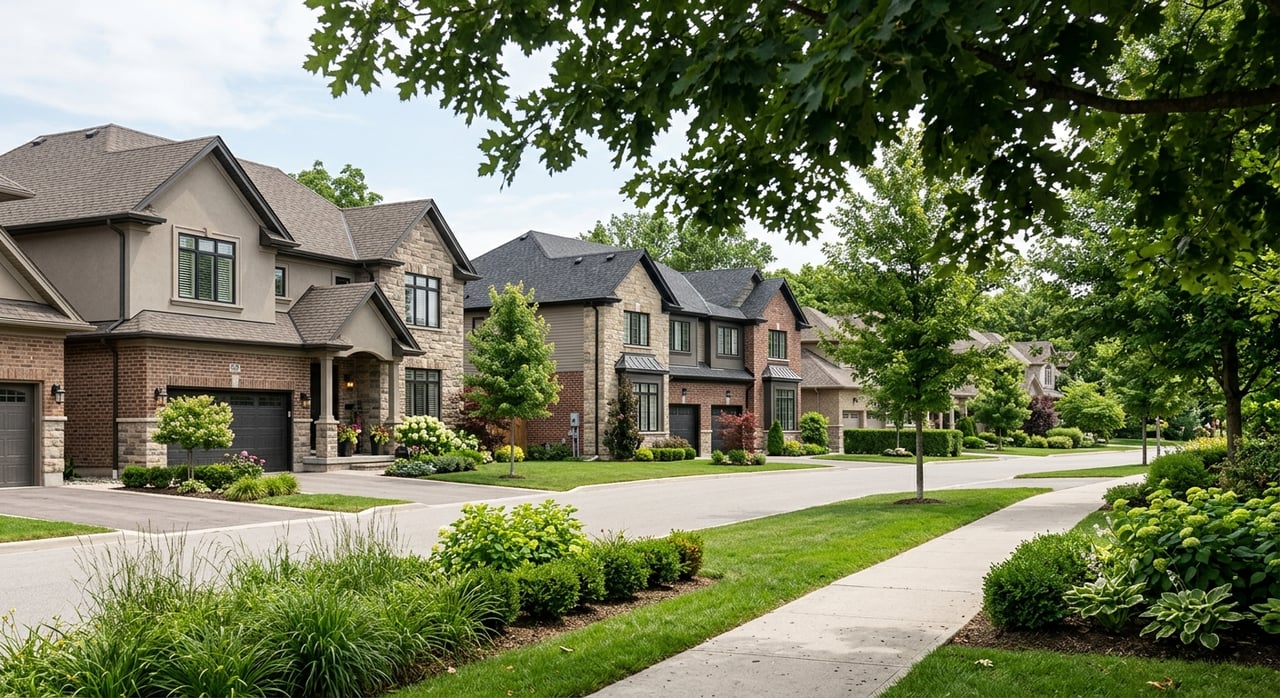
West Jordan is a large and growing city in Salt Lake County, with about 116,000 residents and a housing mix that is still mostly single-family. City planning data says the housing stock was 73% single-family and 27% multi-family at the end of 2023, which means detached homes remain a major part of the local resale market. That makes strong presentation especially important when your home is competing with many similar options.
Recent market trackers point to an active market, but not one where sellers can rely on wishful pricing. Public data in spring 2026 showed median list and sale prices in roughly the low-to-mid $500,000s, with sale-to-list ratios near 100%. At the same time, West Jordan was labeled a buyer’s market by one major tracker, which supports a simple takeaway: buyers are still purchasing, but they are more selective.
Mortgage rates add another layer. Freddie Mac reported a 30-year fixed rate of 6.52% for the week ending June 11, 2026. When financing costs stay elevated, even a modest price difference can change a buyer’s monthly payment enough to affect demand.
Start with the right pre-listing game plan
Strategic prep does not mean over-improving your home. It means choosing updates and steps that improve how buyers see the property, reduce avoidable concerns, and support a cleaner negotiation later. In many cases, the goal is not perfection. The goal is confidence.
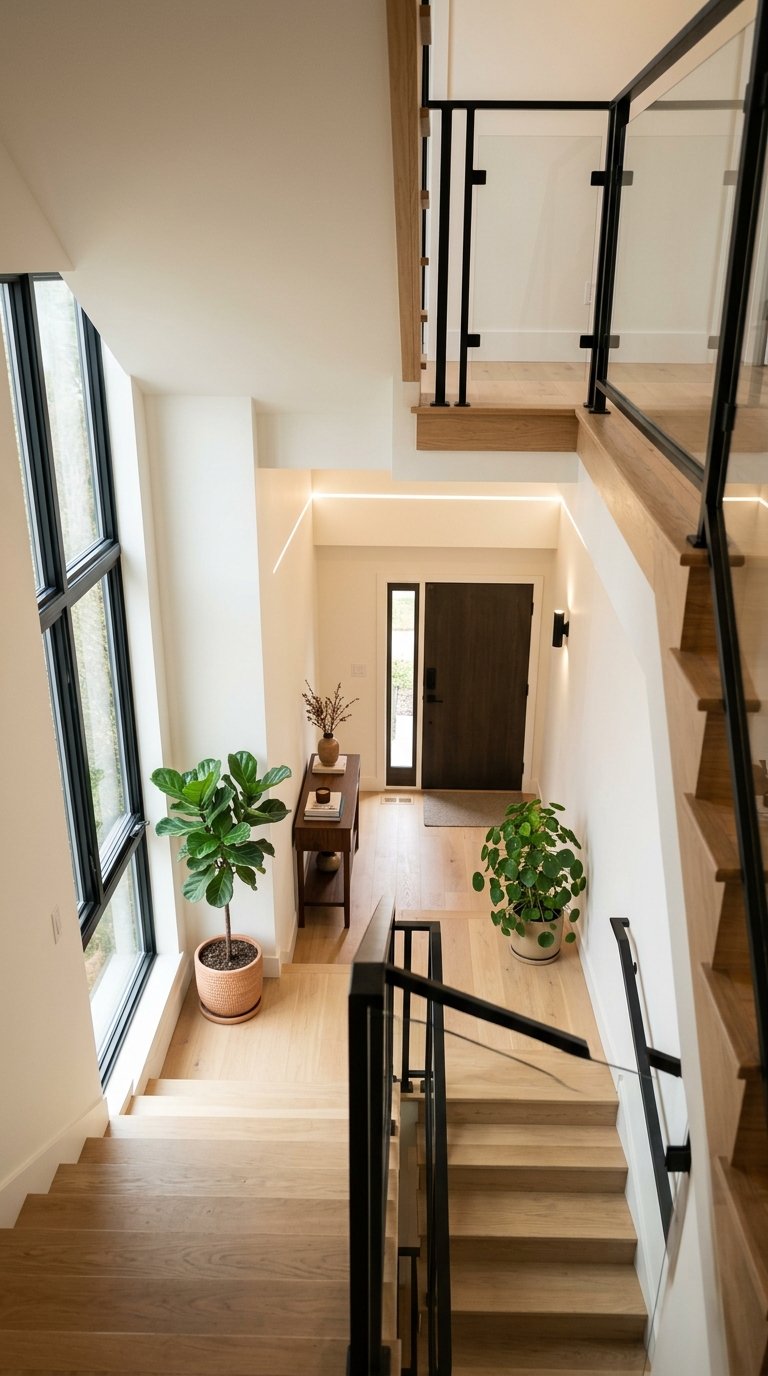
A smart pre-listing plan usually starts with the areas buyers notice first, both online and in person. That means your entry, main living area, kitchen, and primary bedroom often deserve the most attention. According to the 2025 NAR staging report, buyers’ agents said staging helps buyers visualize a home more easily, with the living room, primary bedroom, and kitchen ranking as the most important rooms to stage.
Focus on high-impact prep first
If you want the best return on effort, prioritize visible, low-regret improvements. These are the kinds of updates that help your home photograph better, show better, and feel more cared for from the start.
Consider focusing on:
- Fresh interior paint in worn or bold areas
- Deep cleaning of windows, carpets, walls, and lighting fixtures
- Decluttering shelves, counters, closets, and entry spaces
- Repairing loose hardware, damaged trim, and minor cosmetic wear
- Updating bulbs or dated light fixtures where needed
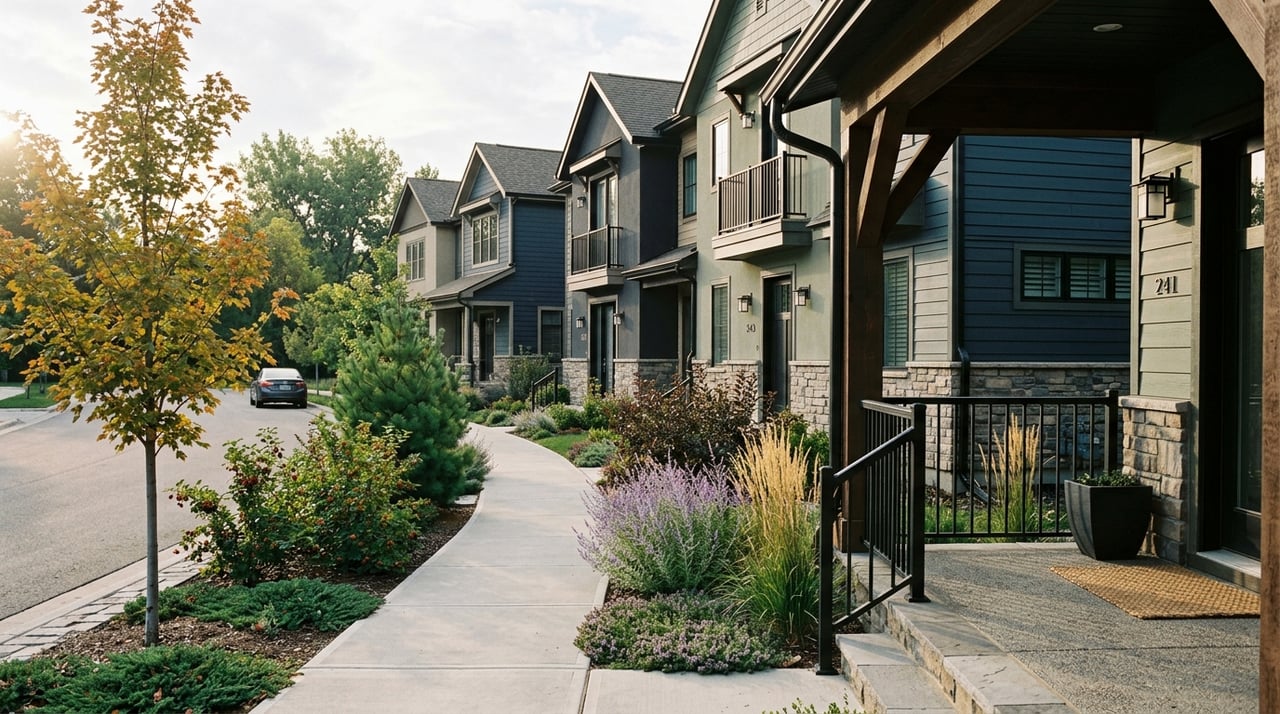
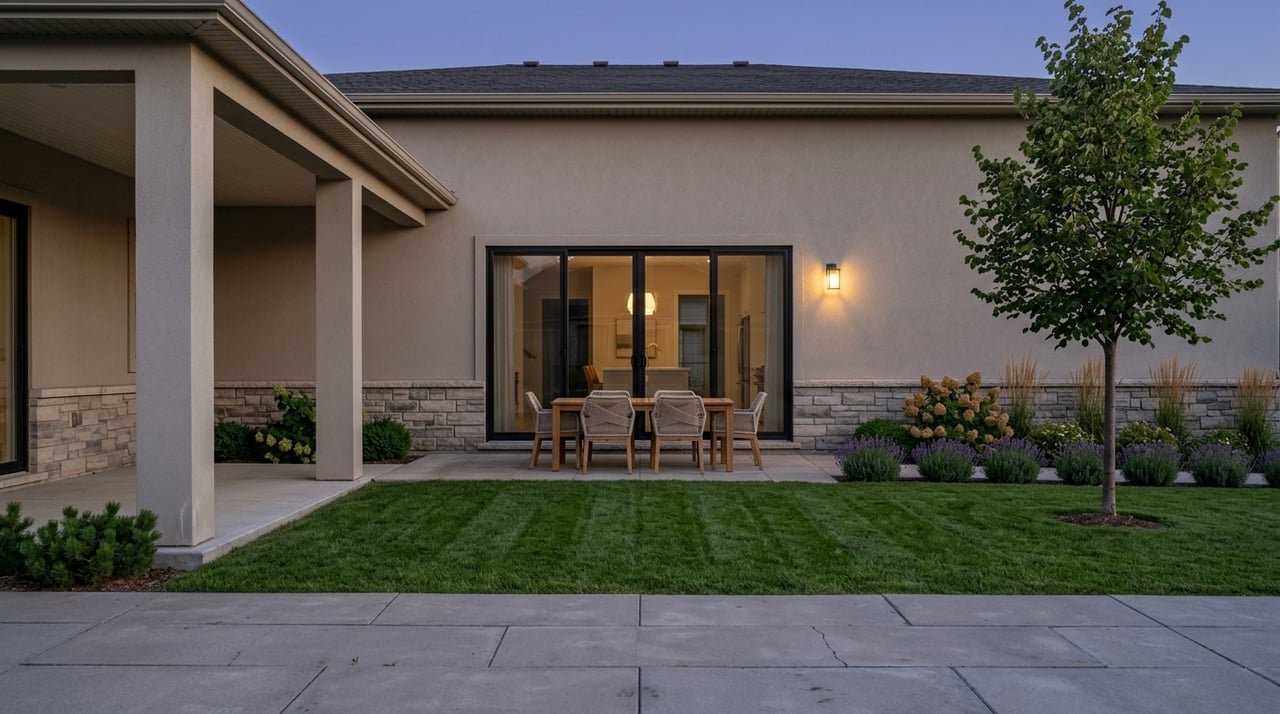
- Refreshing curb appeal with simple landscaping and entry touch-ups
These steps align with consumer-facing seller guidance that highlights cleaning, decluttering, and curb appeal as meaningful parts of pre-sale preparation. Presentation shapes perceived value early, often before buyers begin evaluating deeper condition details.
Decide whether a pre-sale inspection makes sense
A pre-sale inspection is optional, but it can be useful if you want fewer surprises once offers come in. Seller guidance notes that an inspection may uncover issues with the roof, plumbing, electrical, HVAC, radon, lead paint, or asbestos before a buyer discovers them. That can give you more control over your next move.
If the inspection reveals a major issue, you do not always have to fix it before listing. But it is wise to get an estimate for repair costs, especially for larger items like roofing, HVAC systems, or appliances. That way, if a buyer raises the issue later, you can respond with facts and weigh whether a repair, credit, or price adjustment makes the most sense.
Price for your micro-market, not the headline
One of the biggest pricing mistakes in West Jordan is relying too much on citywide averages. Market speed can vary inside the city, and that matters when you set your initial list price. Public local data has shown neighborhood-level differences in days on market, with examples ranging from 31 days in East River to 56 days in River Oaks.
ZIP-level variation also tells a similar story. Reported median days on market differed among 84084, 84081, and 84088. That means your pricing strategy should reflect your specific area, property type, condition, and likely buyer pool, not just a broad West Jordan number.
Why the first list price matters
In this market, the first list price carries weight. Zillow reported that 35.3% of West Jordan sales closed above list price while 44.9% closed below list price, and another major tracker said homes sold for about asking on average. Taken together, those numbers suggest one clear point: price sensitivity is real.
When buyers are comparing payments carefully, listing too high can reduce early momentum. A home that lingers may end up needing a reduction, and that often weakens leverage more than pricing correctly from day one.
Use staging to support value perception
Staging is not just about making a home look pretty. It helps buyers picture how the space lives, which can improve emotional connection and reduce distraction. NAR’s 2025 report found that 83% of buyers’ agents said staging makes it easier for buyers to visualize a property as a future home.
Professional staging is not always necessary for every room. If you want to be strategic, start where it counts most:
- Living room
- Primary bedroom
- Kitchen
- Entry area
- Main dining or flex space if it feels unclear
The same report noted a median professional staging cost of $1,500. Whether you use full staging or partial styling, the broader lesson is the same: polished presentation can support stronger first impressions in photos, tours, and showings.
Prepare for disclosures early
In Utah, seller preparation also includes documents and disclosures. The state purchase contract requires a written seller property condition disclosure. For homes built before 1978, a lead-based paint disclosure is also required.
Depending on the property, sellers may also need HOA documents, lease or rental agreements, water-rights evidence where relevant, and written notice of known environmental or zoning issues. Pulling these items together before listing can save time once you are under contract and help reduce friction during due diligence.
Check past work and permits
If you have made improvements over time, this is a good moment to review what was done and whether city rules may apply. West Jordan’s Building & Safety Division handles permits and inspections for new construction, additions, remodels, alterations, and demolitions. The city also notes specific rules related to items such as accessory structures, solar panels, ADUs, fences, and zoning considerations.
That does not mean every update is a problem. It simply means it is smart to verify details before a buyer starts asking questions.
Consider radon before listing
Utah sellers must disclose hazardous conditions such as radon gas in the home or well based on current actual knowledge. Utah DEQ reports that 30% of Utah homes tested were above the EPA guidance level of 4.0 pCi/L. Because mitigation can often bring levels below that threshold, sometimes in one day and often around $1,800, a pre-listing radon test may be worth considering.
For some sellers, that step creates more certainty before negotiations begin. If a radon issue exists, you have the option to address it proactively rather than react to it under deadline pressure.
Look beyond price when offers arrive
A strong offer is not always the highest one on paper. Utah’s REPC includes buyer due diligence and appraisal conditions, so even an appealing offer can become less certain if inspection findings or value concerns surface later. That is why reviewing offers through a net-proceeds and closing-certainty lens is so important.
When you compare offers, pay attention to:
- Financing strength
- Appraisal risk
- Inspection scope
- Requested concessions or credits
- Repair expectations
- Possession timing
- Any request for rate buy-down help
In some West Jordan neighborhoods, this analysis becomes even more important because market pace can vary. A seller in a slower pocket may choose flexibility on one term to secure a cleaner closing, while a seller in a faster pocket may have more room to hold firm.
Plan for closing, not just showings
The finish line is not the day your home goes live. Under Utah’s contract framework, the seller must deliver the property in substantially the same general condition, broom-clean, and free of debris and personal belongings. The final walk-through can happen no earlier than seven days before settlement.
That means strategic prep should include your move-out plan, your cleaning plan, and a realistic timeline for leaving the home in handoff condition. Sellers who think ahead here often avoid last-minute stress and reduce the chance of issues right before closing.
A simple West Jordan seller checklist
If you want a practical roadmap, start here:
- Review neighborhood-level pricing and competition.
- Decide which cosmetic updates will improve presentation most.
- Deep clean and declutter key spaces.
- Consider a pre-sale inspection if you want fewer surprises.
- Gather repair estimates for any known major issues.
- Pull together disclosures and supporting documents early.
- Check whether past improvements may involve permits or city rules.
- Consider a radon test, especially if you want more certainty.
- Price with discipline based on your micro-market.
- Evaluate offers based on terms, risk, and net proceeds.
Selling well in West Jordan is rarely about doing everything. It is about doing the right things in the right order. When pricing, preparation, presentation, and negotiation all work together, you put yourself in a stronger position from listing day through closing.
If you are getting ready to sell and want a tailored strategy for your home, neighborhood, and timing, connect with Heather Houston for a polished, data-driven plan built around your goals.
FAQs
What prep matters most when selling a home in West Jordan?
- The highest-impact prep usually includes deep cleaning, decluttering, fresh paint, minor repairs, simple curb appeal improvements, and making key rooms photo-ready, especially the living room, kitchen, and primary bedroom.
How should you price a home in West Jordan in a buyer-sensitive market?
- You should base pricing on your specific neighborhood, ZIP code, condition, and buyer pool because West Jordan market speed varies by area and buyers are showing clear price sensitivity.
Should you get a pre-listing inspection before selling a West Jordan home?
- A pre-listing inspection is optional, but it can help you uncover issues early and prepare for negotiations by giving you time to gather repair estimates or decide on credits or price adjustments.
What disclosures do Utah sellers need when listing a home in West Jordan?
- Utah sellers generally need a written seller property condition disclosure, and homes built before 1978 also require a lead-based paint disclosure, with other documents potentially needed for HOAs, leases, water rights, or known environmental or zoning issues.
Why do concessions matter when selling a home in West Jordan?
- With mortgage rates still elevated, buyer payment sensitivity is higher, so concessions, credits, or rate buy-down help can influence demand and may matter as much as a small difference in purchase price.
What should you compare besides price when reviewing West Jordan offers?
- You should compare financing strength, appraisal risk, inspection scope, requested credits, repair expectations, possession timing, and overall likelihood of closing on schedule.